
Everyone recommends Lupin. And sure, it’s a great show. But is it the right show for your level? If you’re at A2 and Omar Sy is rattling off heist plans at full speed, you’re not learning French—you’re just staring at subtitles while your brain quietly gives up.
The truth is, the best French show on Netflix for learning French is the one that matches where you actually are right now. Too easy and you learn nothing new. Too hard and you spend the whole episode drowning. The sweet spot—what linguists call “comprehensible input”—is where the magic happens: you understand most of what’s said, and your brain picks up the rest through context.
This guide organizes the best French series currently available on Netflix by level, from complete beginner to advanced. For each show, we’ll tell you what kind of French you’ll actually hear, how fast they speak, and what vocabulary you’ll pick up—so you can skip the guesswork and start learning tonight.
How to pick the right French show for your level
Before you scroll to the recommendations: the single biggest mistake people make with “learning French on Netflix” is picking the wrong show. It’s not about what’s popular—it’s about what’s watchable at your level.
Here’s a quick test. Watch five minutes of a show without any subtitles and ask yourself:
- Can I tell what the general situation is? (arguing? flirting? planning something?)
- Do I recognize at least some individual words?
- Can I follow who’s talking to whom?
If you answered yes to at least two of these, the show is in your learning zone. If it was pure noise, pick something easier. No shame in that—you’re building a habit, not proving something.
A few things that make a show easier or harder to learn from:
- Speech speed. Some shows feature slow, clear dialogue (documentaries, cooking shows). Others are rapid-fire with overlapping speech (comedies with friend groups, thrillers).
- Slang density. Everyday Parisian French is very different from textbook French. Shows set in the banlieues use verlan and argot that even intermediate learners struggle with.
- Visual context. Cooking shows and documentaries practically show you what’s being said. A political drama set in an office? Not so much.
- Repetition. Series with recurring settings (same apartment, same office, same friend group) naturally repeat vocabulary—and repetition is how your brain locks words in.
For a complete breakdown of the subtitle strategy that makes this work, check out our complete guide to learning a language with Netflix.
Beginner (A1–A2): Start here
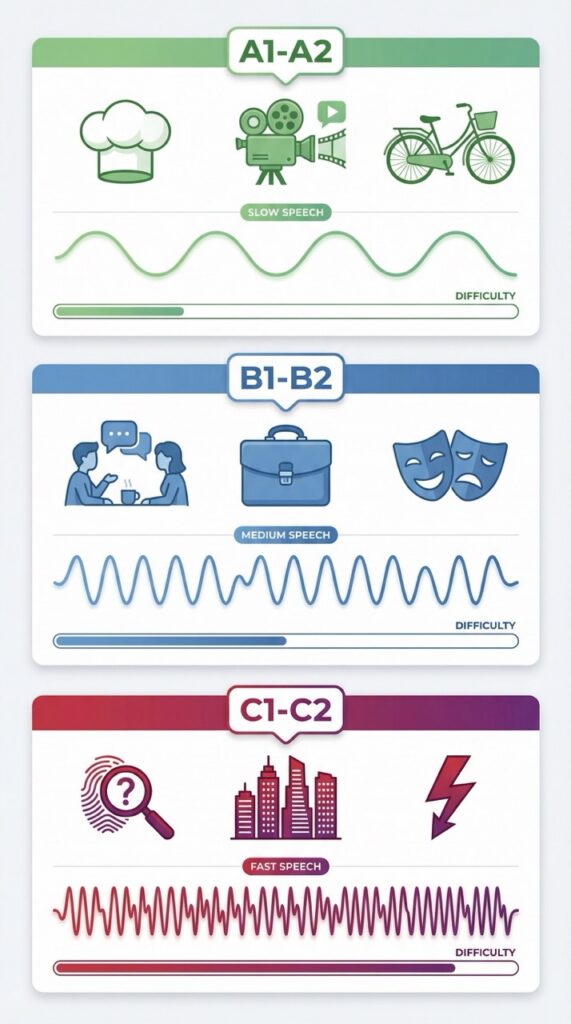
At this stage, you need shows where you can follow what’s happening even when you miss most of the words. Visual context, slow speech, and simple vocabulary are your best friends.
Emily in Paris

Seasons: 5 | Episodes: 40+ | Episode length: ~30 min
Let’s address the elephant in the room: Emily in Paris is not a “French” show in the way most people mean it. The main character speaks English, and French people love to hate this series for its parade of clichés. But here’s why it actually works for beginners: the French dialogue that does appear is simple, slow, and always supported by context. You hear everyday phrases—greetings, ordering food, office small talk—delivered clearly because the show wants you to understand the cultural contrast.
Think of it as a gateway. You’ll absorb basic phrases, get familiar with Parisian pronunciation, and pick up cultural vocabulary (fashion, food, workplace norms) without ever feeling overwhelmed. Once it gets too easy, you’re ready to move up.
What you’ll learn: Basic greetings, office vocabulary, food and fashion terms, simple conversational phrases Speech speed: Slow to moderate (French scenes are deliberately clear) Best for: Complete beginners who want a gentle start with lots of cultural context
Chef’s Table: France

Seasons: 1 | Episodes: 6 | Episode length: ~50 min
If you love food, this is your entry point. Each episode follows a French chef and their philosophy. The narration is slow, deliberate, and accompanied by stunning visuals of every dish and technique—so even when you miss a sentence, you see exactly what’s being described.
Documentary French is a gift for beginners because it avoids slang, uses clear sentence structures, and repeats key vocabulary naturally. You’ll hear words like cuisson (cooking), goût (taste), terroir (local flavor/land) over and over until they stick.
What you’ll learn: Food and cooking vocabulary, descriptive language, formal French narration style Speech speed: Slow and measured Best for: Food lovers, visual learners, anyone who finds scripted dialogue stressful
C’est du Gâteau (Nailed It! France)
Seasons: 1 | Episodes: 6 | Episode length: ~35 min
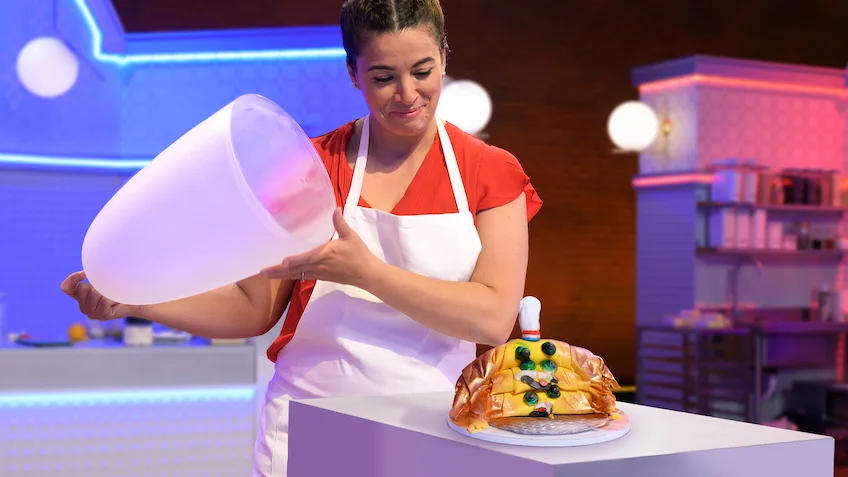
The French version of Nailed It!—amateur bakers attempt elaborate cakes and fail spectacularly. It’s light, funny, and the language is surprisingly accessible. The host gives simple instructions, contestants narrate what they’re doing (slowly, because they’re concentrating), and the vocabulary revolves around a small set of baking and food terms that repeat constantly.
Reality shows are underrated for language learning. People speak more naturally than in scripted dramas, but the format keeps things simple and visual. Reddit users in r/learnfrench specifically recommend competition-style shows because contestants tend to articulate clearly—they’re explaining their actions, not mumbling through fast dialogue.
What you’ll learn: Baking and kitchen vocabulary, numbers (temperatures, measurements), simple instructions and reactions Speech speed: Moderate, with lots of visual support Best for: Beginners who want something fun and low-pressure
Tour de France: Unchained

Seasons: 2 | Episode length: ~45 min
A Netflix documentary series that takes you inside the world’s most famous cycling race. The narration is clear and journalistic, the vocabulary is specific but not overwhelming, and the visuals do most of the storytelling. You’ll hear team strategies discussed, riders talking about their experiences, and commentators providing context—all at a pace that gives your brain time to process.
The French used here is clean, professional, and well-articulated. And the gorgeous landscapes of France are a bonus.
What you’ll learn: Sports vocabulary, descriptive language, team and competition terms, geographic vocabulary Speech speed: Slow to moderate, journalistic clarity Best for: Sports fans, documentary lovers, anyone who needs clear narration
Intermediate (B1–B2): The sweet spot
This is where Netflix really shines for French learners. You know enough to follow a plot, but every episode still throws new vocabulary and grammar at you. These shows use real, everyday French—the kind textbooks can’t teach you.
Plan Cœur (The Hook Up Plan)
Seasons: 3 | Episodes: 20 | Episode length: ~30 min
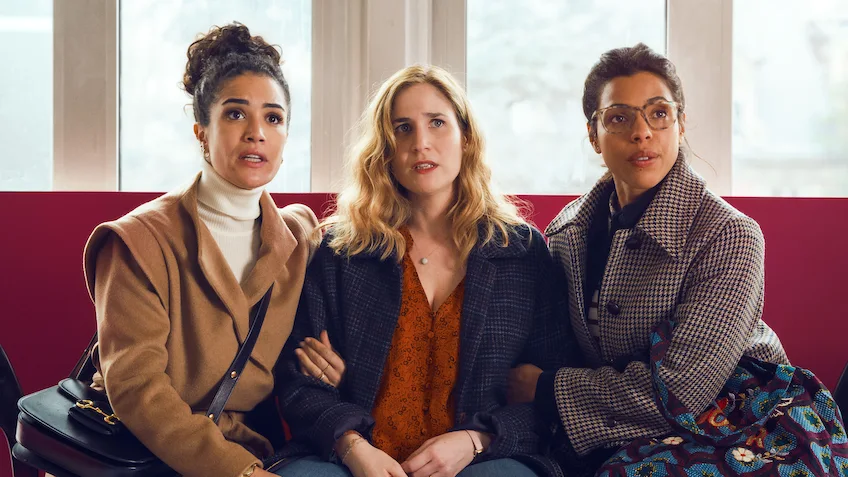
Three Parisian friends, dating disasters, and the kind of rapid-fire banter that French friend groups actually use. Plan Cœur is one of the most-recommended shows on r/learnfrench for a reason: the dialogue is modern, natural, and full of the expressions real French people use daily—c’est pas vrai, j’en ai marre, ça me saoule, n’importe quoi.
The friend-group dynamic means lots of repetition (same people, same apartment, same café) and the romantic comedy format keeps things predictable enough that you can follow the story even when individual sentences slip by.
What you’ll learn: Everyday Parisian French, dating and relationship vocabulary, modern slang, informal speech patterns Speech speed: Moderate to fast (natural conversation speed between friends) Best for: Intermediate learners ready for real spoken French in a fun format
Dix pour cent (Call My Agent!)
Seasons: 4 | Episodes: 24 | Episode length: ~50 min
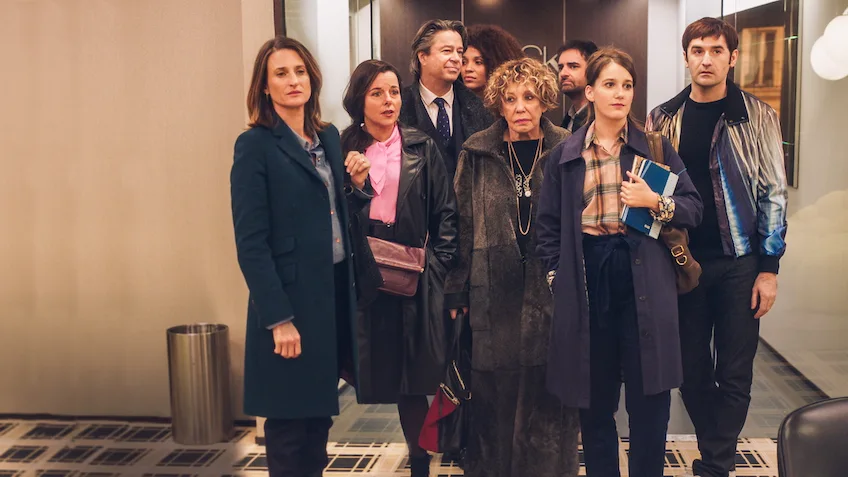
Widely considered one of the best French series ever made—97% on Rotten Tomatoes. You follow four talent agents navigating the chaotic world of French cinema, with real French celebrities (Juliette Binoche, Jean Dujardin, Monica Bellucci) playing exaggerated versions of themselves.
The genius for language learners is the mix of registers: you get professional French (office meetings, negotiations, phone calls) alongside casual French (gossip, arguments, emotional scenes). That range is incredibly valuable because it exposes you to vocabulary that no single show type could cover.
Fair warning: Reddit users consistently note that the speech is fast. This is not a beginner show. But at B1+, it’s one of the most rewarding things you can watch.
What you’ll learn: Professional and office vocabulary, entertainment industry terms, polite vs. casual registers, negotiation language Speech speed: Fast—natural Parisian pace with overlapping dialogue Best for: B1+ learners who want to hear both formal and informal French; fans of workplace comedies
Family Business
Seasons: 3 | Episodes: 21 | Episode length: ~30 min
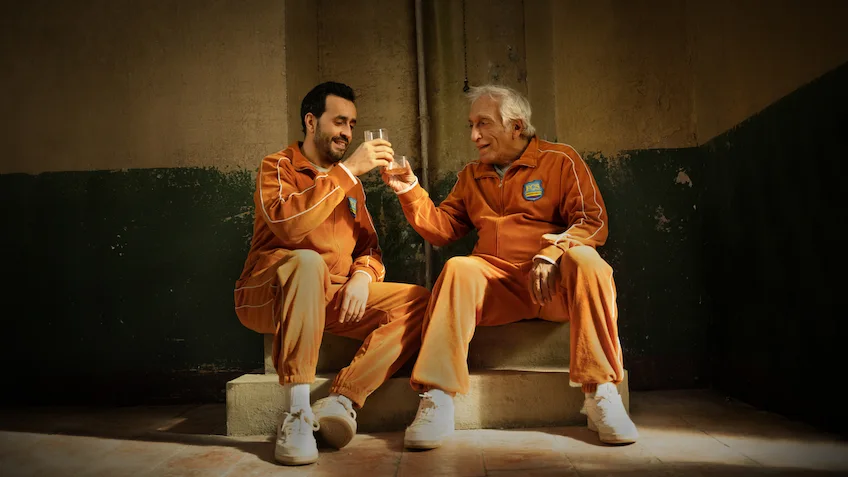
A Jewish-Moroccan family in Paris decides to convert their kosher butcher shop into a cannabis operation before legalization. The premise is ridiculous, the execution is hilarious, and the French is real—family arguments, generational clashes, street-level business talk.
What makes it valuable for learners is the family dynamic. You hear how French people actually talk at home: interrupting each other, using nicknames, switching between affection and frustration in the same sentence. The humor is broad enough that you can follow the jokes even when you miss specific words.
What you’ll learn: Informal family French, business vocabulary, Jewish and North African cultural terms, Parisian slang Speech speed: Moderate to fast Best for: Intermediate learners who want exposure to multicultural Parisian French
Lupin

Seasons: 3 (Part 4 coming fall 2026) | Episodes: 17 | Episode length: ~45 min
The most-watched French-language series in Netflix history, and for good reason. Omar Sy plays a modern-day gentleman thief inspired by Arsène Lupin, pulling off elaborate heists across Paris and beyond. The production value is cinematic, and Sy’s charisma makes every scene watchable.
For language learners, Lupin hits a sweet spot: Omar Sy speaks clearly and at a moderate pace, the vocabulary is rich without being academic (crime, strategy, deception, family relationships), and the visual storytelling helps you follow the plot even when dialogue gets complex.
With Part 4 confirmed for fall 2026, now is a great time to start—or rewatch for deeper comprehension.
What you’ll learn: Crime and strategy vocabulary, formal and informal registers, clear Parisian pronunciation Speech speed: Moderate—Sy is known for clear, well-paced delivery Best for: The single best show for B1 learners who want engaging content with clear speech
Drôle (Standing Up)

Seasons: 1 | Episodes: 6 | Episode length: ~40 min
Four aspiring stand-up comedians navigate the Parisian comedy scene. Produced by Fanny Herrero (who also created Dix pour cent), this show captures a grittier, more authentic Paris than most Netflix offerings.
The stand-up performances are gold for language learners—comedians speak directly to the audience, enunciate clearly, and use the kind of punchy, everyday language that’s perfect for building conversational skills. Between the sets, you get natural dialogue about ambition, relationships, and the reality of trying to make it in a tough industry.
What you’ll learn: Conversational French, humor and wordplay, youth slang, performance vocabulary Speech speed: Varies—stand-up segments are clear and deliberate; casual scenes are faster Best for: Learners who want to understand French humor and modern spoken French
Fiasco

Seasons: 1 | Episodes: 7 | Episode length: ~30 min
The newest entry on this list (2024). A film director’s debut feature spirals into disaster as everything that can go wrong does—think The Office meets French cinema. Starring Pierre Niney, the humor is cringe-comedy: awkward pauses, miscommunication, snowballing embarrassments.
This style is rare in French TV, which makes it fresh. The awkward comedy format also means lots of repetition and reaction dialogue—characters constantly restate, clarify, and stumble over themselves, which is actually great for language processing.
What you’ll learn: Film and production vocabulary, workplace French, expressions of frustration and embarrassment Speech speed: Moderate, with deliberate comedic timing Best for: Intermediate learners who enjoy dry humor and workplace comedy
Advanced (C1–C2): Stretch yourself
At this level, you don’t need shows to be easy—you need them to challenge your ear. Fast speech, slang, overlapping dialogue, regional accents, cultural references that require context. These shows will push you.
En Place (Represent)
Seasons: 2 | Episode length: ~30 min
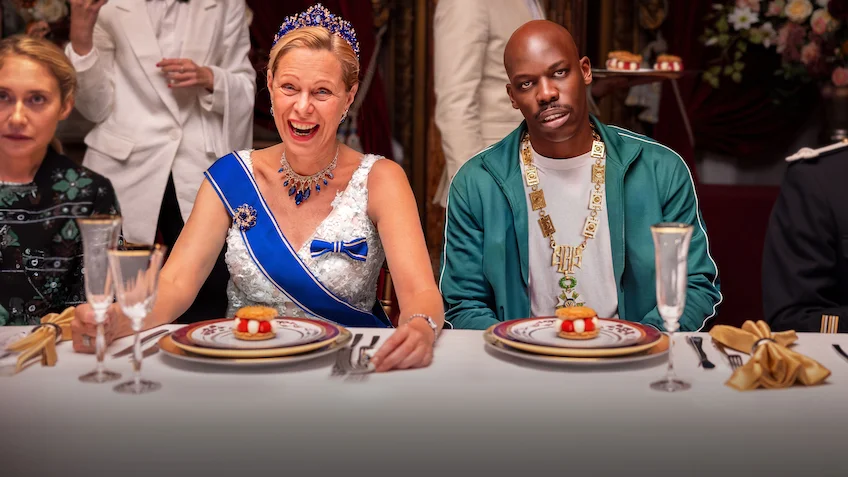
A young community worker from a Parisian banlieue accidentally makes it to the second round of the French presidential election. Political satire meets social commentary, with a cast that includes Éric Judor and comedian Fary.
The French here is fast, multilayered, and switches constantly between registers—political speech, banlieue argot, media French, family dialogue. If you can follow this show without subtitles, your French is genuinely strong.
What you’ll learn: Political vocabulary, media and campaign language, banlieue slang, satirical French Speech speed: Fast, with code-switching between registers Best for: Advanced learners interested in French politics and social dynamics
Caïd (Dealer)

Seasons: 1 | Episodes: 10 | Episode length: ~20 min
A film crew goes to a southern French banlieue to shoot a rap video and gets caught in a gang war. Shot in a raw, found-footage style, Caïd throws you into the deep end of French street language—verlan (backslang), argot, rapid-fire dialogue with heavy accents.
This is probably the hardest show to understand on this entire list. But if your goal is to understand all varieties of French—not just the clean Parisian standard—this is essential viewing. The episodes are short (20 minutes), which makes it manageable.
What you’ll learn: Verlan (meuf, keuf, relou), street slang, southern French accents, informal registers far from textbook French Speech speed: Very fast, overlapping, with heavy slang Best for: Advanced learners who want exposure to banlieue French and street language
Marianne

Seasons: 1 | Episodes: 8 | Episode length: ~45 min
A horror series with a 100% score on Rotten Tomatoes—Stephen King himself called it out. A novelist discovers that the monsters from her books are coming to life. The show builds tension through language as much as imagery: whispered threats, ambiguous dialogue, literary vocabulary.
Horror is underrated for language learning at advanced levels. The emotional intensity keeps you focused, the vocabulary is rich and varied (literary, psychological, rural French), and the slower pacing of suspense scenes gives your brain time to process complex sentences.
What you’ll learn: Literary and descriptive vocabulary, psychological and emotional language, rural French settings Speech speed: Varies—tense scenes are slow and deliberate; confrontations are fast Best for: Advanced learners who want rich, atmospheric French outside the typical Parisian setting
Coming to Netflix in 2026
A few French shows to keep on your radar:
- Cash Queens (Les Lionnes) — Released February 2026. Crime thriller about four women who turn to bank robbing. Stars Jonathan Cohen (Family Business). Expect fast-paced French with comedic undertones.
- Lupin Part 4 — Fall 2026. Eight new episodes with Omar Sy. If you’ve watched Parts 1–3, rewatching them before Part 4 drops is one of the best things you can do for your French.
- Recalé — 2026. A comedy from the co-creator of En Place about a con artist going undercover in a French high school. Teen French + humor—great for intermediate learners.
How to actually learn French from these shows (not just watch them)
Picking the right show is step one. But how you watch matters just as much. Here’s the method that works, based on what the research shows and what experienced learners consistently recommend:
Use target-language subtitles (French audio + French subtitles). This is the sweet spot for most learners. You hear the language and see it written, which builds the connection between sound and spelling. Native-language subtitles feel comfortable but train your reading, not your listening.
Don’t pause for every unknown word. Let the story carry you. Your brain picks up patterns through repeated exposure, not through dictionary lookups that break your flow. If you’re pausing every 10 seconds, the show is too hard—pick something easier.
Rewatch one scene per episode. Pick a two-minute scene you liked and play it again. The second time, you already know the plot, so your brain can focus on how things are said—pronunciation, connector words, rhythm.
Save 3–5 words per episode, not 50. End each session with a small win, not a homework list. Pick words you’ll actually hear again.
If you want subtitles that adapt to your vocabulary level automatically—showing French when you can handle it, switching to English when you can’t, and translating individual blocking words inline—Bingy does exactly that. It’s free to start with a quick vocabulary test, and it turns any of these shows into a personalized learning experience. For the full method, read our smart subtitles guide.
FAQ
What is the best French show on Netflix for beginners? Emily in Paris is the gentlest starting point because much of it is in English with French scenes that are deliberately clear. For pure French content, Chef’s Table: France is ideal—slow narration, visual context, and simple vocabulary. Once you’re comfortable, move to Plan Cœur for real conversational French.
Can I learn French just by watching Netflix? You can build strong listening comprehension and absorb significant vocabulary, yes. But Netflix is an input tool—it won’t develop your speaking or writing. Combine it with conversation practice for well-rounded progress.
Should I watch French shows with English or French subtitles? French subtitles, as soon as you can manage them. English subtitles feel comfortable but your brain takes the easy route—you end up reading instead of listening. French subtitles bridge what you hear and what you see, reinforcing both skills.
How many hours of French Netflix do I need to watch to see results? Expect to notice improvements after 15–20 hours of active viewing (about 5–6 weeks at 20 minutes/day). Comfortable everyday comprehension typically comes around 100+ hours. The key is consistency—20 minutes daily beats a 3-hour weekend marathon.
Is Lupin good for learning French? Excellent for B1+ learners. Omar Sy speaks clearly, the vocabulary is rich but accessible, and the visual storytelling supports comprehension. It’s too fast for true beginners, but it’s arguably the best show for intermediate learners who want engaging content.
What French Netflix shows have the clearest dialogue? Documentaries win here: Chef’s Table: France and Tour de France: Unchained both feature slow, articulate narration. For scripted content, Lupin (Omar Sy’s clear delivery) and Fiasco (deliberate comedic pacing) are among the easiest to follow.
What’s the hardest French show to understand on Netflix? Caïd (Dealer) is widely considered the most challenging due to heavy verlan, banlieue slang, and rapid overlapping dialogue. En Place is a close second with its constant code-switching between political and street French.
The bottom line
The best French show on Netflix isn’t the one with the highest rating or the biggest buzz—it’s the one where you understand just enough to stay in the story while your brain quietly picks up everything else. Start at your level. Trust the process. Move up when things start feeling easy.
And if you want the shows on this list to automatically adapt to your vocabulary level—so you’re always in that sweet spot between “too easy” and “too hard”—try Bingy’s free vocabulary test to get started.
Leave a Reply